Planning a dream Puerto Rico vacation? You’re likely envisioning sun-drenched beaches, the rhythm of salsa music, and the charm of historic streets. As you prepare for your adventure, a crucial question often arises: “Is Puerto Rico safe for tourists?” The straightforward answer is yes, and like any popular destination a little common-sense awareness helps ensure a smooth and enjoyable trip. Puerto Rico, a thriving United States territory, welcomes millions of visitors annually, with its tourism sector experiencing significant growth. In 2024 alone, the island saw over 6.6 million passenger arrivals at Luis Muñoz Marín International Airport, a record-breaking figure demonstrating increasing accessibility and a perception of safety among air travelers. This guide will provide a comprehensive look at Puerto Rico’s safety and security landscape, covering everything from crime and health considerations to natural disaster preparedness and transportation, empowering you to travel with confidence and make the most of your unforgettable trip.
As a local AirBNB in Rincón, we regularly welcome first-time visitors who are pleasantly surprised by how relaxed and welcoming the island feels. Many of our guests tell us they feel comfortable exploring nearby beaches, dining out in the evenings, and enjoying the laid-back coastal atmosphere throughout their stay. We hope our AirBNB in Puerto Rico is considered during your search for Puerto Rico resorts.
Checking the Latest Puerto Rico Travel Advisory
Before traveling anywhere, many visitors review official updates. If you’ve searched for the current Puerto Rico travel advisory, you’ll find that Puerto Rico generally follows the same safety guidance structure as the mainland United States. Because it is a U.S. territory, advisories are typically aligned with standard domestic travel recommendations rather than international risk level warnings. Travelers can review updates through the U.S. Department of State and local government resources for the most current information.
The Verdict: A Balanced Look at Puerto Rico’s Safety for Tourists
Puerto Rico is a safe and rewarding destination for tourists. As a United States territory, it offers a familiar level of infrastructure and service, blended with a unique and captivating Caribbean culture. The overwhelming majority of visitors enjoy trouble-free and enriching experiences. However, like any bustling tourist destination with diverse communities and socio-economic factors, being informed is key to a safe journey. This guide aims to provide that essential knowledge, dispelling common myths and offering practical strategies to ensure your visit is both secure and memorable. The island’s commitment to its tourism industry is evident in its growing economy, with record-setting figures in leisure and hospitality jobs and consistent investment in infrastructure and services that enhance overall safety.
Understanding Puerto Rico’s Safety Landscape
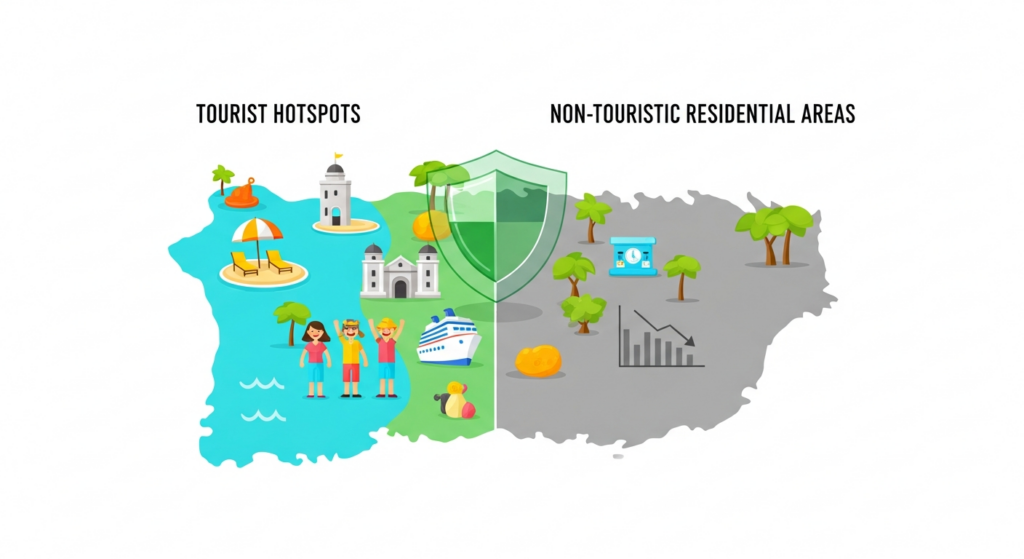
Puerto Rico’s main tourist areas are welcoming and well-traveled, and visitors rarely encounter safety issues during their stay.
When assessing the safety of any destination, it’s vital to understand its unique context. Puerto Rico’s safety landscape is shaped by a combination of factors, including its crime statistics, the general security measures in place, and the robust tourism industry that contributes significantly to its economy and, consequently, to enhanced safety provisions. Like any destination with vibrant cities and communities, incidents directly impacting tourists are relatively uncommon and are typically concentrated in areas far removed from popular visitor attractions. This context helps travelers better understand what to expect.
A Closer Look at Puerto Rico Crime Statistics
When researching safety, many travelers look directly at Puerto Rico crime statistics. Like many destinations, crime rates vary by municipality and neighborhood. Statistics can sometimes lack context, so it’s important to understand that incidents involving tourists are relatively rare and typically concentrated in specific non-tourist areas. These incidents are typically concentrated in primarily residential neighborhoods outside typical visitor zones.
Tourism’s Role in Safety and Recovery
Tourism is more than just an economic engine for Puerto Rico; it plays an intrinsic role in the island’s safety and resilience. The significant influx of visitors fuels vital investments in infrastructure improvements, from enhancing lighting in tourist districts to bolstering public services. Hotels and resorts are equipped with robust security protocols, and the government prioritizes the well-being of its crucial tourism sector. Furthermore, a strong tourism economy provides essential jobs and resources that are instrumental in recovery efforts following natural disasters. This resilience not only helps communities rebuild but also enhances preparedness, creating a more secure environment for residents and visitors alike. The island’s strong job market and increased tax revenues from tourism directly translate into more resources dedicated to safety and emergency services.
What Every Tourist Needs to Know
When planning a trip, questions like “Is San Juan dangerous?” are common. The answer is nuanced and heavily dependent on the specific neighborhood. Tourist hubs such as Old San Juan and Condado are well-patrolled and generally considered very safe for visitors. The vast majority of tourists enjoy their time in Puerto Rico without encountering any criminal activity, especially when they remain in well-trafficked tourist areas. It’s important to remember that the safety conditions in Puerto Rico are often comparable to many cities across the mainland United States.
Understanding Common Travel Safety Tips
The most common forms of crime that tourists may encounter in Puerto Rico are petty offenses, such as pickpocketing or opportunistic theft, often occurring in crowded areas. These are typically crimes of convenience. More serious incidents are typically confined to specific areas not associated with tourism. These areas are generally not frequented by tourists. Visitors who stay in popular areas and use basic precautions generally feel very comfortable throughout their trip.
Choosing accommodations in well-established residential neighborhoods can add another layer of peace of mind. Many travelers prefer highly rated vacation rentals with secure parking, good lighting, and responsive local hosts who are available to answer questions or offer guidance during their stay.
Safe Zones and Areas Requiring Extra Caution
Major tourist destinations like San Juan, with its vibrant Old San Juan district, and the upscale Condado area, are considered very safe for visitors. These locations are well-populated, benefit from visible police presence, and are accustomed to a high volume of international tourism. Old San Juan, a UNESCO World Heritage site, is exceptionally walkable and generally secure, though vigilance against pickpockets in bustling marketplaces is always advised. Condado offers a modern resort experience with upscale hotels and a lively beach scene, also enjoying a strong safety record. As in any city, it’s best to explore unfamiliar areas with guidance and stick to well-lit, active neighborhoods at night. Always seek recommendations from your hotel concierge or reputable tour guides if you plan to explore areas off the beaten path. Areas like Cabo Rojo, while beautiful for its natural landscapes, require awareness of local conditions, especially regarding coastal safety.
Practical Tips for Personal Safety
Adopting smart personal safety habits is fundamental to a worry-free trip to Puerto Rico.
- Stay Aware: Always be mindful of your surroundings, especially in crowded markets, transportation hubs, and popular attractions.
- Secure Your Valuables: Utilize hotel safes for passports, extra cash, and valuable items. Never leave bags unattended in public places.
- Avoid Displaying Wealth: Leave expensive jewelry at home and be discreet with high-value electronics like cameras and smartphones.
- Nighttime Vigilance: If you are out after dark, stick to well-lit, populated areas. Avoid walking alone in unfamiliar or poorly lit streets.
- Trust Your Instincts: If a situation or individual makes you feel uncomfortable, it’s best to politely disengage and move to a safer area.
- Moderation with Alcohol: Enjoying Puerto Rico’s renowned rum and cocktails is part of the experience, but do so responsibly. Intoxication can impair judgment and make you more vulnerable.
- Secure Your Accommodation: Ensure your hotel room doors and windows are locked when you are inside.
Navigating the Island: Transportation Safety Guide
Getting around Puerto Rico can be an adventure, and understanding your transportation options and their safety nuances will greatly enhance your travel experience. From bustling city streets to winding rainforest roads, preparedness is key.
Rental Cars and Driving Conditions
Renting a car is an excellent way to explore the island’s diverse attractions, including the natural beauty of El Yunque Rainforest and the coastal vistas of Cabo Rojo. However, be prepared for driving conditions that may differ from what you’re accustomed to. Road conditions can vary depending on the area, and driving styles can be more assertive than in other regions. Driving styles may feel different from what some visitors are used to, so attentive driving is recommended. Always lock your rental car and never leave any belongings visible inside. Familiarize yourself with Puerto Rico’s toll roads, which primarily utilize an electronic system called AutoExpreso. Using GPS systems is highly recommended for navigation, especially when venturing outside of San Juan.
Rideshare Apps and Taxis
Rideshare services like Uber are operational in the San Juan metropolitan area and are generally considered a reliable and safe option for getting around. For taxis, it is best to use those found at designated taxi stands, official airport taxis, or those requested by your hotel or a reputable establishment. Always confirm the fare with the driver before beginning your journey, particularly for longer distances. While public transport is available, its predictability can vary.
Public Transportation and Ferries
San Juan features a commuter train, the Tren Urbano, which can be a convenient option for navigating parts of the metropolitan area. Bus services also exist but can be slower and may cover limited routes. For inter-island travel, such as to Vieques or Culebra, ferries are available. However, ferry schedules are subject to change, and it’s advisable to book tickets in advance and have contingency plans. Traveling to Cataño Bay via ferry is also a popular option for scenic views.
Best Areas to Stay in Puerto Rico
When planning accommodations, many visitors research the best areas to stay in Puerto Rico. Safety, walkability, and access to attractions are typically top priorities.
Well-regarded areas include:
- Old San Juan for historic charm
- Condado for beachfront resorts
- Isla Verde for proximity to the airport
- Dorado for upscale privacy
- Rincón for a relaxed coastal atmosphere
Staying in established tourism zones with strong infrastructure and hospitality presence significantly enhances overall safety and comfort. On the west coast, Rincón stands out for travelers seeking a blend of natural beauty and relaxed residential charm. Many visitors appreciate the ability to walk to beaches, enjoy locally owned restaurants, and return to a quiet neighborhood setting at the end of the day — a balance that enhances both comfort and peace of mind.
Pedestrian Safety
While major tourist areas like Old San Juan are highly walkable with pedestrian-friendly streets, sidewalks can be inconsistent or non-existent in other parts of the island. Always exercise caution and be aware of traffic when walking, especially on roads that lack dedicated pedestrian paths. Staying on marked paths is also crucial when exploring natural attractions.
Health & Wellness: Protecting Yourself from Environmental Risks and Illnesses
Puerto Rico’s tropical climate offers a delightful escape, but it also comes with certain health considerations. By adopting simple preventive measures, you can ensure your well-being and fully enjoy your island experience.
Mosquito-Borne Illnesses and Prevention
As with most tropical destinations, using insect repellent is recommended for comfort. While the current prevalence of these diseases can fluctuate, consistent prevention is always the most effective strategy. The primary defense is to use a potent insect repellent containing DEET or picaridin. Apply it diligently, especially during dawn and dusk when mosquitoes are most active. Wearing long sleeves and pants, particularly in the evenings, can provide additional protection. Consider using mosquito nets if your accommodation has open-air elements. Travelers should ensure their lodging has intact screens on windows and doors to prevent insect entry.
Water and Food Safety
Tap water in most tourist areas and established hotels in Puerto Rico is generally considered safe to drink, adhering to standards similar to those in the mainland United States under the Safe Drinking Water Act. However, if you have a sensitive stomach or are venturing into more remote regions, opting for bottled water is a prudent choice. When dining, choose reputable restaurants and establishments that appear clean and well-maintained. Given the tropical climate, food can spoil quickly, so be mindful of food safety practices.
Sun Protection and Beach Safety
The Caribbean sun is intense, and protection is essential. Always apply a high-SPF sunscreen (SPF 50+ is recommended) liberally and reapply frequently, especially after swimming or sweating. Wearing hats and sunglasses, and seeking shade during the hottest parts of the day, are also vital. When enjoying Puerto Rico’s stunning beaches, be aware of potential rip currents and always swim in areas designated for safe swimming. Heed any warnings posted by lifeguards. For water sports enthusiasts, understanding local conditions and using appropriate safety gear is paramount.
Medical Facilities, Vaccines, and Travel Insurance
Puerto Rico boasts good medical facilities, particularly in San Juan, with modern hospitals and clinics. It is always advisable to consult with your doctor or the Center for Disease Control and Prevention (CDC) regarding any recommended vaccines before your travels. Travel insurance can provide additional peace of mind during your trip. Providers like Berkshire Hathaway Travel Protection or Safety Wing offer various plans. Ensure your health insurance also provides adequate coverage for your trip. Medical repatriation services can be invaluable in serious situations.
Natural Disasters: Hurricane Season in Puerto Rico & Preparedness
Puerto Rico, like many Caribbean destinations, experiences a defined hurricane season. The island has a strong history of resilience and preparedness, having faced significant challenges from past hurricanes like Maria, Irma, and Fiona.
Understanding Hurricane Season and Preparedness
Hurricane season in the Atlantic basin officially runs from June 1st to November 30th, with the peak activity typically occurring from August through October. While Puerto Rico has demonstrated remarkable resilience in the aftermath of devastating storms, it is essential for visitors to be prepared. Hotels and government agencies have established comprehensive emergency protocols. During hurricane season, staying informed is crucial. Regularly monitor local news, weather forecasts from reputable sources like the US National Hurricane Centre, and advisories from your accommodation. Your hotel will have specific procedures in place and will provide guidance should any weather events impact your stay.
Professionally managed vacation rentals, such as Casa Bonita also stay in close communication with guests during weather events. As hosts, we make sure our visitors feel informed, prepared, and supported — especially during hurricane season — so they can travel with added confidence.
Is Puerto Rico Safe After Hurricanes?
A common question visitors ask is: Is Puerto Rico safe after hurricanes?
The island has made substantial investments in infrastructure resilience, emergency response coordination, and tourism recovery systems following major storms in recent years. Hotels, airports, and essential services prioritize rapid reopening to support both residents and visitors.
While temporary disruptions can occur during severe weather events, Puerto Rico has demonstrated strong recovery capacity. Monitoring forecasts and booking accommodations with flexible policies during hurricane season adds an extra layer of confidence.
Earthquakes and Other Natural Hazards
Puerto Rico is also located in a seismically active zone. While major earthquakes are infrequent, minor tremors can occur. Familiarize yourself with basic earthquake safety procedures, such as “drop, cover, and hold on,” should the need arise. The island’s infrastructure is generally built with seismic activity in mind, offering a level of resilience.
Understanding Puerto Rico Weather by Month
Many travelers research Puerto Rico weather in December, Puerto Rico weather in March, or other specific months before booking their trip. Seasonal weather patterns can influence comfort levels and storm probability.
Generally:
- December through April offers warm, drier conditions.
- May through November brings higher humidity and increased rainfall, with peak hurricane activity between August and October.
Understanding monthly weather trends helps travelers choose dates that align with their comfort preferences.
Staying Informed During Your Trip
Regardless of the season, staying informed is paramount for safety. Keep an eye on local news channels and check advisories from your hotel. For real-time weather updates, the US National Hurricane Centre website is an invaluable resource. In case of any emergency, the primary emergency number in Puerto Rico is 911, identical to the mainland United States. Having access to communication, perhaps through local SIM cards or international roaming, is also advisable.
Exploring Safely: Tips for Specific Destinations & Activities
Puerto Rico offers a diverse tapestry of experiences, from historic cityscapes to lush natural wonders. Each destination presents unique opportunities for exploration, and with them, specific safety considerations.
Major Tourist Hubs: “San Juan”, “Old San Juan”, “Rincón”
San Juan: As the capital and largest city, San Juan presents a dynamic blend of historical significance, modern attractions, and vibrant nightlife. When exploring, stick to well-lit, busy areas, especially during evening hours.
Old San Juan is exceptionally walkable and generally safe, but heightened awareness of your surroundings and potential pickpockets in crowded marketplaces is advised. The historic forts like Castillo San Felipe del Morro are must-sees, but always stay on marked paths.
Rincón, located on the island’s west coast, is known for its laid-back surf culture, breathtaking sunsets, and welcoming small-town atmosphere. Unlike busier metropolitan hubs, Rincón offers a slower pace, walkable beach areas, and a strong sense of community that many travelers find immediately comforting. With a tourism-focused economy and a reputation for hospitality, visitors often describe Rincón as both relaxing and easy to navigate — an ideal setting for those seeking a peaceful coastal experience.
Nature and Adventure: “El Yunque Rainforest”, Beaches, and Bioluminescent Bays
El Yunque Rainforest: This lush tropical paradise is a highlight for many visitors. It is crucial to stay on marked hiking trails to avoid getting lost or encountering natural hazards. The rainforest experiences significant rainfall, so wearing appropriate footwear and carrying water is essential. Remember your insect repellent, as mosquitoes are common. El Yunque National Forest is a protected area, and respecting its natural state is key.
Beaches: Beyond general sun and water safety, be aware of local conditions. Some beaches can have strong currents and rip tides. Always heed posted warnings and swim in designated safe areas.
Bioluminescent Bays: Tours to these magical natural phenomena, such as Mosquito Bay, are typically well-organized and safe, as you will be accompanied by a guide. Stick with your group and follow your guide’s instructions carefully.
Cultural Immersion and Responsible Tourism
Engaging with the rich local culture is a cornerstone of any visit to Puerto Rico. Showing respect for local customs and traditions is paramount. Learning a few basic Spanish phrases can significantly enhance your interactions and foster positive connections. Responsible tourism also extends to being mindful of your environmental impact and supporting local communities ethically. This includes understanding local laws and customs.
Tailored Safety Advice for Different Travelers
Safety considerations can naturally vary based on who you are traveling with and your preferred travel style. Puerto Rico offers a welcoming environment for all types of travelers.
Solo Travelers: Empowerment Through Preparation
Solo travel in Puerto Rico can be an incredibly rewarding experience. Enhanced awareness of your surroundings is your most powerful tool. It is advisable to inform someone back home of your itinerary and check in regularly. If you plan to explore at night, prioritize using rideshare apps or official taxis rather than walking long distances alone.
Female Travelers: Specific Considerations for Solo and Group Travel
Female travelers, whether solo or in groups, should always be aware of their surroundings. As in many travel destinations, being confident and aware of your surroundings is helpful. While occasional catcalling can occur, it is generally not indicative of a dangerous situation. Practical precautions, such as avoiding walking alone at night in unfamiliar areas and keeping drinks supervised, are recommended.
Families with Children: Prioritizing Safety for All Ages
Traveling with children naturally calls for extra vigilance. Ensure children are always supervised, especially near water and in busy areas. Consistent use of sunscreen and adequate hydration are critical in the tropical climate. Opt for accommodations and activities known to be family-friendly; many resorts and hotels cater specifically to families, offering amenities and services that enhance safety and comfort.
In particular, Rincón offers a uniquely relaxed coastal setting with a strong sense of community, walkable beach areas, and a welcoming small-town feel. For travelers seeking comfort, privacy, and local insight, staying in a thoughtfully hosted vacation rental can enhance both safety and overall experience.
Essential Pre-Trip Planning and Emergency Preparedness
Thorough preparation is the bedrock of a safe and enjoyable trip to Puerto Rico. Taking proactive steps before you depart will allow you to relax and immerse yourself in the island’s beauty.
Comprehensive Travel Insurance
As highlighted earlier, securing comprehensive travel insurance well in advance of your departure is crucial. Ensure your policy covers medical emergencies, hospitalization, trip cancellations, lost luggage, and other unforeseen events. This is a vital layer of protection, especially when traveling to a U.S. territory like Puerto Rico, where accessing healthcare may differ from mainland procedures.
Required Documentation and Entry Requirements
For U.S. citizens, Puerto Rico is a domestic destination. This means a passport is not required for travel; a standard U.S. driver’s license or other state-issued ID is sufficient. This simplifies entry and exit requirements compared to international travel. Non-U.S. citizens should verify specific entry requirements based on their nationality, as standard U.S. immigration and customs regulations apply. While not a foreign country, understanding entry and exit requirements is always wise.
Do You Need a Passport for Puerto Rico?
One of the most frequently searched travel questions is: Do you need a passport for Puerto Rico?
For U.S. citizens, the answer is no. Puerto Rico is a U.S. territory, meaning travel is considered domestic. No customs clearance, currency exchange, or passport is required when flying from the mainland United States.
This convenience removes a common international travel barrier and contributes to the island’s popularity among American travelers.
Is Puerto Rico Safe to Live?
Beyond short-term travel, some people ask: Is Puerto Rico safe to live?
This question often comes from remote workers, retirees, or those considering extended stays. Many residential communities offer peaceful environments and strong local connections.
The fact that many Americans choose to relocate to Puerto Rico speaks to long-term confidence in its livability and infrastructure.
How Puerto Rico Compares to the Safest Caribbean Islands
Travelers comparing destinations often look up rankings of the safest Caribbean islands. Puerto Rico consistently compares favorably due to:
- U.S. federal oversight
- Modern medical facilities
- Established tourism infrastructure
- Strong emergency response systems
- No passport requirement for U.S. travelers
These factors often position Puerto Rico as a lower-friction, highly accessible Caribbean option.
Emergency Contacts and Resources
Save essential emergency numbers in your phone before you travel: 911 for all local emergencies. Additionally, keep the contact information for your country’s embassy or consulate (if applicable), your travel insurance provider, and your hotel readily accessible. Having these resources at hand can be invaluable in any unexpected situation. For international travelers from countries like Ireland, knowing the contact details for their respective diplomatic missions is important, even if not located directly on the island. For instance, Irish citizens would typically contact the Irish Embassy in Washington DC.
Conclusion
Puerto Rico is a breathtaking island paradise brimming with culture, history, and natural beauty, and it is unequivocally a safe destination for travelers who follow simple, common-sense precautions. By staying aware of your surroundings, securing valuables, monitoring seasonal weather, and choosing accommodations in established areas, visitors can enjoy a seamless and memorable experience.
The island’s continued investment in tourism infrastructure, emergency preparedness, and hospitality services further reinforces its reputation as a welcoming and well-supported destination. Coastal towns like Rincón, in particular, are known for their calm atmosphere and community-centered hospitality. Whether you’re exploring the colorful streets of Old San Juan, hiking through El Yunque Rainforest, or watching the sunset along the west coast, Puerto Rico offers a vibrant and secure environment for discovery.
For those drawn to the island’s west coast, Rincón offers a uniquely relaxed setting where stunning sunsets, walkable beaches, and a welcoming community create an atmosphere that feels both vibrant and unhurried. At Casa Bonita Rincón, we’re proud to provide a relaxed coastal setting where guests can unwind, explore confidently, and experience the island like a local. If you’re preparing for your Puerto Rico getaway, we’d be honored to host you and help make your stay unforgettable.